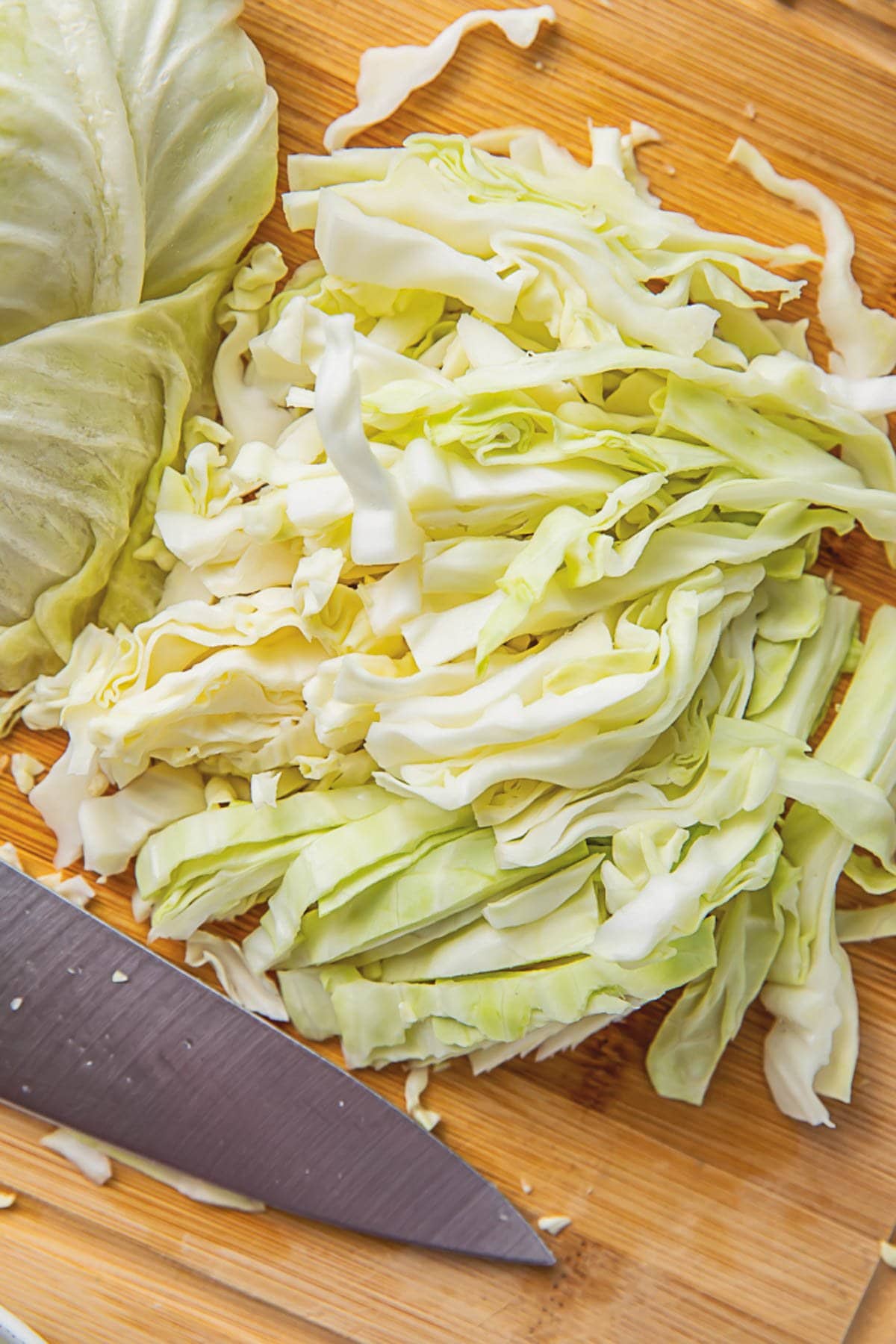
Beyond Coleslaw: How to Shred Cabbage for Any Dish
Cabbage, often relegated to the humble coleslaw, is a true culinary chameleon – a nutrient-dense, versatile vegetable that deserves a prime spot in your kitchen. From crisp stir-fries and hearty soups to savory tacos and vibrant salads, its mild flavor and satisfying crunch complement an astonishing array of dishes and cuisines. Yet, many home cooks still shy away from buying a whole head, opting instead for the convenience (and higher cost) of pre-shredded bags. But what if we told you that mastering
how to shred cabbage at home is incredibly simple, requires no fancy skills, and unlocks a world of fresh flavor and significant savings?
Forget the notion that dismantling an entire head of cabbage is an intimidating chore. With the right technique, you'll not only cut costs in half and get twice the volume, but you'll also enjoy superior freshness, texture, and control over your final product. This guide will walk you through three easy, effective methods for shredding cabbage – with a chef's knife, a mandoline, and a food processor – ensuring you're ready for any recipe, far beyond just coleslaw. If you’re ready to reclaim your kitchen budget and elevate your meals, it’s time to
Ditch Bagged Cabbage: Easy Home Shredding for Less!
Why Master the Art of Shredding Cabbage at Home?
The allure of a pre-shredded bag of cabbage is understandable in our busy lives, but the benefits of shredding your own at home are too compelling to ignore.
*
Unbeatable Freshness and Flavor
Pre-shredded cabbage begins to degrade the moment it's cut. It can lose moisture, crispness, and even some nutritional value faster than a whole head. Shredding cabbage just before use ensures maximum freshness, vibrant color, and that satisfying crunch that store-bought versions simply can't match.
*
Significant Cost Savings
Dollar for dollar, a whole head of cabbage offers far more yield than its pre-shredded counterpart. You'll quickly notice that preparing shredded cabbage at home could cut the cost significantly, leaving you with more money in your pocket and more cabbage for your buck.
*
Total Control Over Texture and Thickness
Different dishes call for different shred sizes. A fine, delicate shred is perfect for a creamy coleslaw or homemade sauerkraut, while thicker, heartier strands stand up well in a robust soup or a sizzling stir-fry. When you shred cabbage yourself, you dictate the cut, ensuring it's perfectly suited to your recipe. This level of customization is impossible with pre-packaged options.
*
Beyond the Usual Suspects: Culinary Versatility
While often typecast for coleslaw, shredded cabbage is incredibly versatile.
*
Stir-fries and Soups: Thicker shreds add texture and bulk.
*
Tacos and Wraps: Medium shreds provide a delightful crunch.
*
Hearty Salads: Fine or medium shreds can be massaged for tenderness.
*
Sauerkraut and Kimchi: Consistent, fine shreds are essential for fermentation.
*
Dumpling Fillings: Finely minced cabbage adds moisture and subtle flavor.
*
Sandwich Toppers: A handful of crisp shreds elevates any sandwich.
Embracing the whole head opens up a world of culinary possibilities, making it a true kitchen staple.
Choosing Your Weapon: The Best Ways to Shred Cabbage
There are three primary methods for
how to shred cabbage, each offering distinct advantages in terms of control, speed, and uniformity. The best method for you will depend on your equipment, comfort level, and the specific needs of your dish. We'll explore the nuances of each, so you can confidently tackle any recipe. For a quick visual guide and further details on equipment, check out our companion article:
Shred Cabbage 3 Ways: Knife, Mandoline, & Food Processor.
Method 1: The Chef's Knife – Precision and Control
No fancy gadgets? No problem! A sharp chef's knife is a reliable tool for shredding cabbage, giving you maximum control over the length and thickness of each shred. This method is perfect for those who enjoy the hands-on feel of cooking and want precise cuts.
1.
Prepare the Cabbage: Start by rinsing the cabbage head under cool water and removing any bruised or outermost leaves. These can be tough and might have impurities.
2.
Quarter and Core: Place the stem end on your cutting board. Slice the cabbage in half from top to bottom. Then, slice each half in half again to create four quarters. For a typical head, you might even slice each quarter again to get eight manageable wedges. Lay each wedge flat on the cutting board. Angle your knife diagonally to cut out the tough, fibrous core from each wedge. This ensures a more tender and palatable shred.
3.
Slice Into Thin Shreds: Keeping the cored wedge flat against your cutting board, use a rocking motion with your chef's knife.
* For
shorter shreds (ideal for coleslaw, sauerkraut, or fine salad garnishes), slice lengthwise along the wedge.
* For
longer shreds (great for stir-fries, soups, or hearty braises), slice crosswise against the natural grain of the cabbage.
Aim for consistency in thickness, adjusting based on your recipe's needs. Repeat with each wedge until all your cabbage is beautifully shredded.
Pro Tip: A sharp knife is a safe knife! Ensure your chef's knife is well-sharpened before you begin. For very fine shreds, consider slicing the wedges even thinner before you start the final shredding.
Method 2: The Mandoline Slicer – Uniformity and Speed
For those who prioritize uniform shreds and efficiency, a mandoline slicer is an invaluable tool. It creates consistently thin slices that are difficult to achieve with a knife alone, especially when dealing with larger quantities.
1.
Prepare the Cabbage: Just like with the knife method, rinse your cabbage and remove any loose or damaged outer leaves. Trim off the very bottom of the stem.
2.
Quarter and Core: Place the stem end down and slice the cabbage in half from top to bottom, then slice each half in half again to create four quarters. Cut each wedge at an angle to remove the tough core.
3.
Shred Using the Mandoline: Set your mandoline to your desired thickness (a finer setting for coleslaw, a slightly thicker one for stir-fries). Place a cored wedge cut-side-down onto the mandoline's track. Crucially, always use the safety guard provided with your mandoline. Carefully and firmly slide the cabbage wedge along the blade, applying even pressure. The mandoline will effortlessly produce uniform, perfect shreds.
Safety First: Mandolines are incredibly sharp. Always use the safety guard, and consider wearing cut-resistant gloves for added protection, especially as you get to the end of the wedge. Never rush or get complacent when using this tool.
Method 3: The Food Processor – Hands-Off Efficiency
When you need to shred a large amount of cabbage quickly and with minimal effort, your food processor is the ultimate time-saver. This method is by far the most hands-off and doesn't demand any precision knife skills.
1.
Prepare and Wedge: Rinse the cabbage and discard the outer leaves. Cut off the stem end. Slice the cabbage in half from top to bottom, then halve each half again to create four quarters.
2.
Core and Cut into Smaller Pieces: Cut out the tough core from each wedge using an angled cut. Then, roughly cut each cored wedge into smaller, more manageable pieces that will fit comfortably into your food processor's feed tube. Don't worry about perfect consistency here, as the processor will do the work.
3.
Shred Using Slicing Attachment: Assemble your food processor with the slicing attachment (usually a thin or medium slicing disc, not the shredding disc). Feed the cabbage pieces into the processor's feed tube, using the pusher to guide them. Pulse the processor while holding down the pusher, or let it run continuously for a few seconds until the cabbage is shredded to your liking. Repeat with the remaining cabbage pieces.
Consider the Disc: Ensure you're using a slicing disc, not a grating or shredding disc, for optimal results. The slicing disc will create cleaner, more uniform shreds. Be careful not to over-process, or you'll end up with mush instead of crisp shreds.
Beyond the Cut: Tips for Perfect Shredded Cabbage Every Time
Achieving perfectly shredded cabbage isn't just about the tool; a few extra steps and considerations can make all the difference.
*
Rinse and Dry Thoroughly: Always rinse your cabbage before cutting. After shredding, especially if making a salad or coleslaw, a quick spin in a salad spinner or pat-down with paper towels can remove excess moisture, preventing your dish from becoming watery.
*
Embrace the Core: While the core is tough and typically removed, you can sometimes finely mince softer parts of the core for added fiber in soups or stews if you wish to minimize waste.
*
Match Shred Size to Dish: This is key!
*
Extra Fine (knife or mandoline on thinnest setting): Ideal for delicate slaws, spring rolls, or fermenting into sauerkraut where consistency is paramount.
*
Medium (knife, mandoline, or food processor): Your go-to for tacos, sandwiches, general salads, or adding to hearty grain bowls.
*
Thick (knife or mandoline on thicker setting): Best for stir-fries, robust soups, braised cabbage, or dishes where you want the cabbage to retain more bite and texture after cooking.
*
Storing Your Shredded Cabbage: Once shredded, cabbage can be stored in an airtight container in the refrigerator for 3-5 days. For best results, place a paper towel at the bottom and top of the container to absorb any excess moisture, helping it stay crisp longer.
*
Revitalize Wilted Cabbage: If your whole cabbage head or even freshly shredded cabbage seems a little limp, an ice water bath can work wonders. Submerge the shreds in a bowl of ice water for 15-30 minutes, then drain and dry thoroughly. It will perk right up!
Conclusion
Shredding cabbage at home is a simple skill that delivers huge returns in freshness, flavor, and financial savings. Whether you prefer the precision of a chef's knife, the uniformity of a mandoline, or the speed of a food processor, you now have the knowledge and confidence to tackle a whole head of cabbage for any recipe. So go ahead, move beyond just coleslaw and start exploring the incredible versatility of this often-underestimated vegetable. Your taste buds, and your wallet, will thank you!